CASE STUDY
Thriving staff & clients at richmond fellowship qld
How Richmond Fellowship Queensland enhanced staff wellbeing and client support through the How to Thrive program
The Challenge
Richmond Fellowship Queensland (RFQ) is a leading provider of psychosocial recovery services across Queensland. In 2023, RFQ recognised the need to evolve beyond their longstanding Collaborative Recovery Model to better support both their staff wellbeing and client outcomes.
With growing demand, increasing complexity, and sector-wide burnout, RFQ faced four key challenges:
Declining staff resilience and retention
A need for innovation in recovery-oriented practice
Outdated support models no longer fit for purpose
A strategic goal to become a Centre of Excellence in wellbeing and recovery
Objectives
Strengthen workforce wellbeing, capability and connection
Empower staff to support clients using strengths-based, proactive tools
Embed an evidence-based approach that integrates prevention and recovery
Position RFQ as a sector leader through measurable innovation
Create a scalable, human-centred alternative to traditional service models
The Solution
RFQ partnered with Thrive Ability™ to roll out the How to Thrive® wellbeing education program using a two-phase model:
Phase One: Me
Staff Wellbeing (How to Thrive for Individuals)
Support workers completed a structured wellbeing journey using:
Self-paced digital learning
Weekly live online community sessions
A printed workbook
Themes included Belonging, Engagement, Accountability, Compassion, Optimism and Nurture — building personal wellbeing and team connection.
Phase Two: Supporting Others
Thrive Guide® Certification
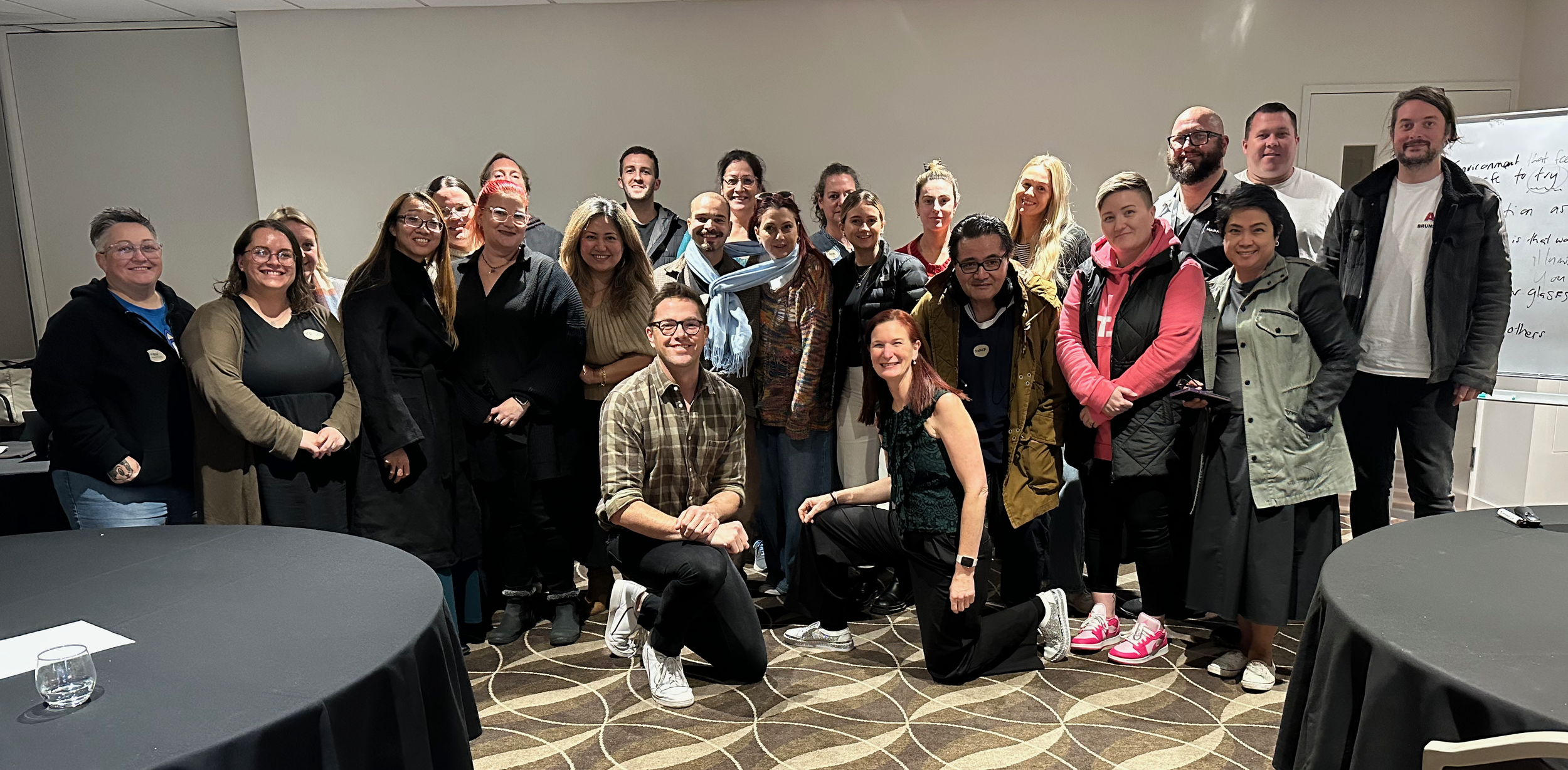
Staff became Certified Thrive Guides® — learning how to guide clients using evidence-based wellbeing tools.
They completed:
eLearning + live workshops
Practice-based assignments
Provision of practical tools and resources including a BEACON in a Box card toolkit
Ongoing peer mentoring via Community of Practice
The Impact
Improved Staff Wellbeing
Evaluation showed significant increases in:
Social connection (+1.29)
Stress recovery (+1.29)
Hope (+1.12)
Self-care (+1.68)
Sleep (+1.36)
Reduced anxiety (–1.08)
Reduced life stress (–1.04)
Greater Confidence in Supporting Others
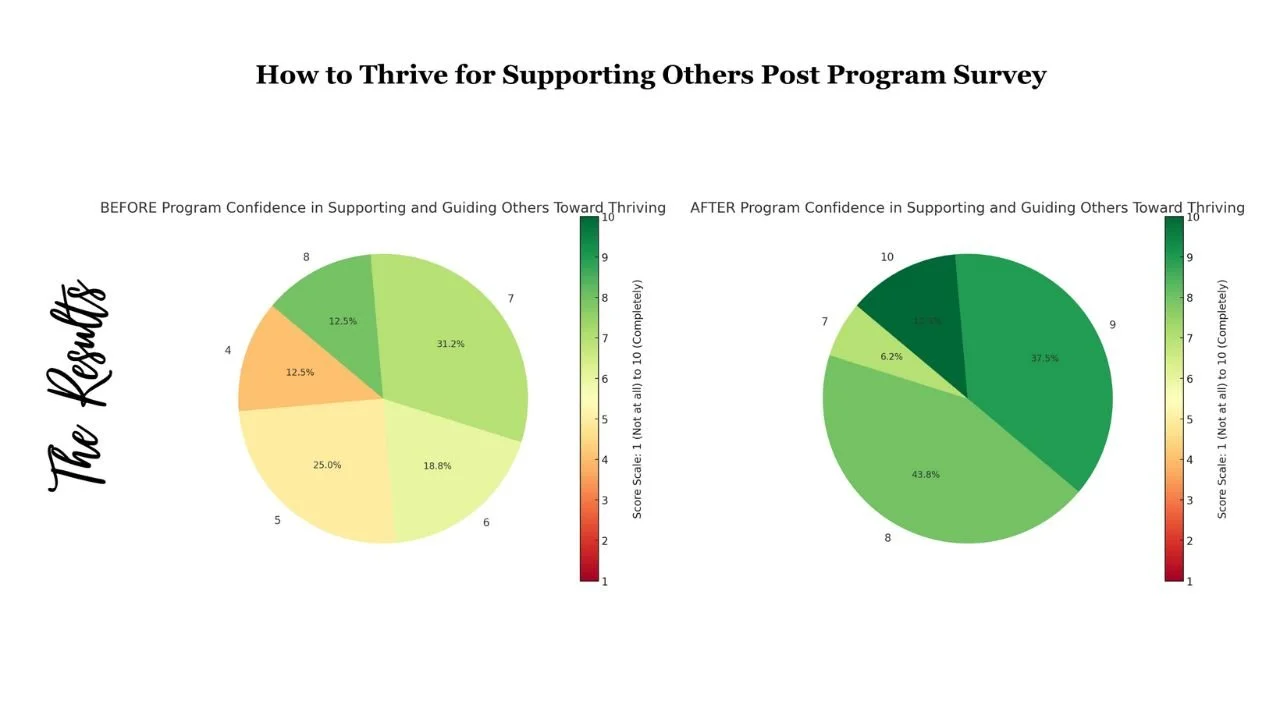
Staff confidence to support others increased from 4–7 to 7–10 out of 10 after the program.
They described the experience as:
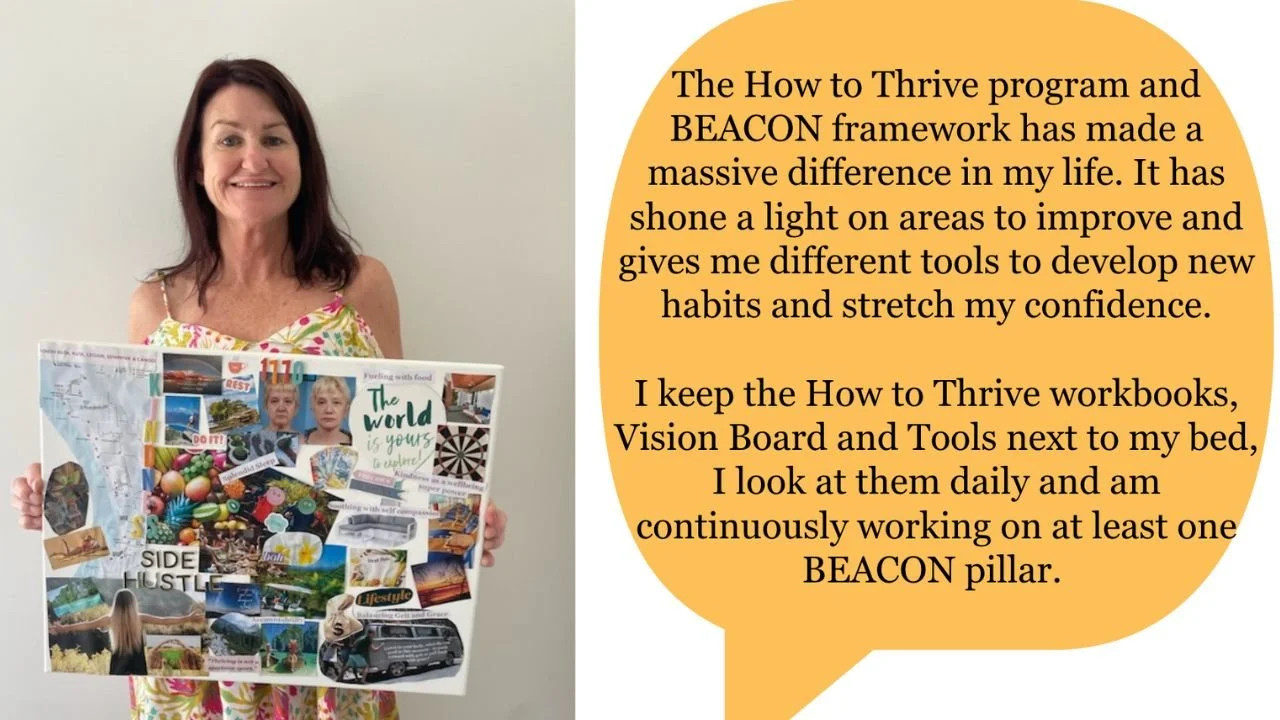
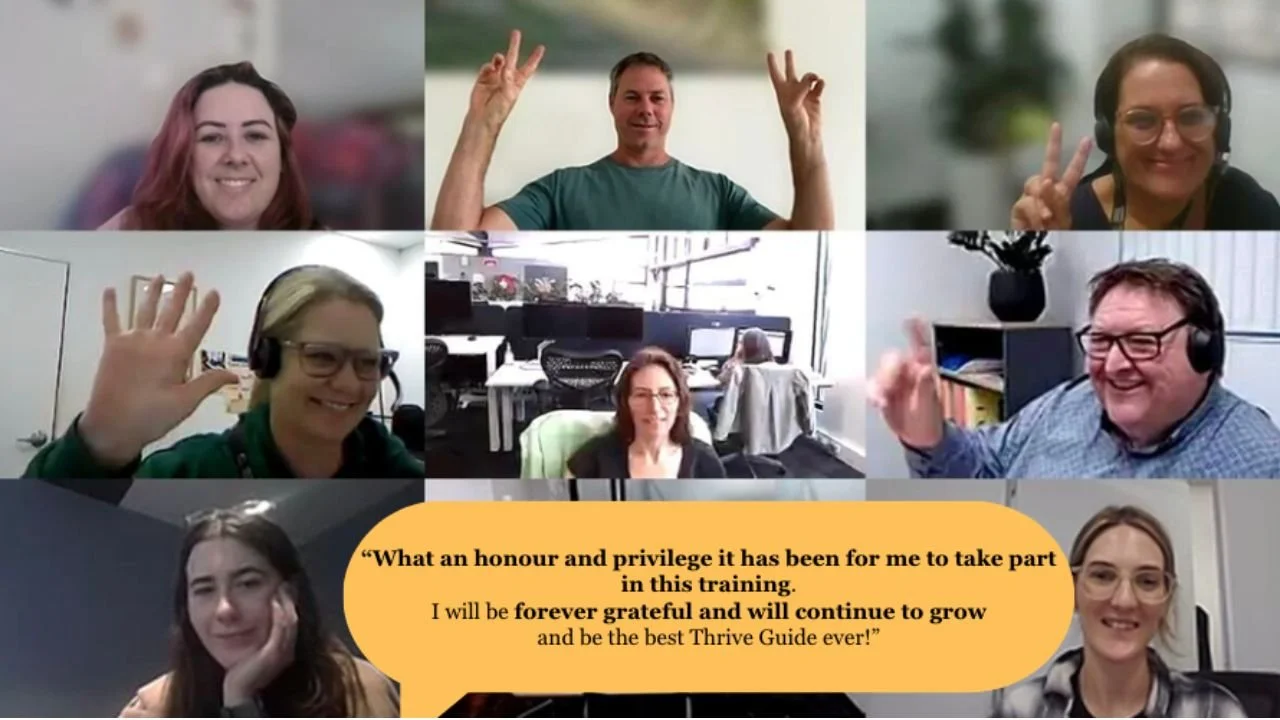
“The most relevant training I’ve done in 13 years.”
“I now have the tools to support people in creating a life worth living.”
Innovation in Practice
Thrive Guides now use BEACON tools in outreach sessions, team supervision, and client recovery planning — improving relational quality, early intervention, and hope.
Sector Leadership
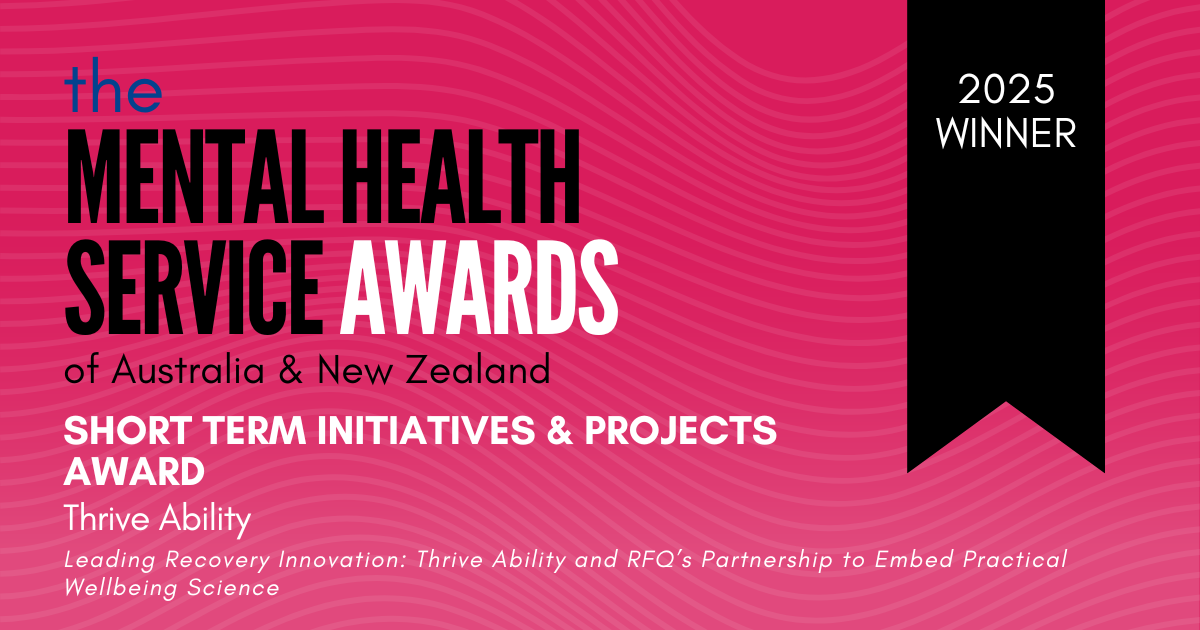
This program won the Short Term Initiatives & Projects award at the prestigious Mental Health Service Awards of Australia and New Zealand.
Service Model Transformation
Following the pilot, RFQ’s Executive endorsed a full rollout — replacing the Collaborative Recovery Model with How to Thrive as the organisation’s primary service model over 2 years.
Results
“I can never forget How to Thrive now because I have lived it and I know it works.”
“The tools have profoundly enhanced my confidence in guiding others.”
“It fits perfectly into my role — helping me thrive and empowering others to see what’s strong, not what’s wrong.”
Conclusion
RFQ’s bold partnership with Thrive Ability is setting a new benchmark for recovery-oriented services.
By embedding wellbeing science into service delivery, RFQ is fostering a thriving workforce and more empowered clients — and redefining what’s possible in community mental health.
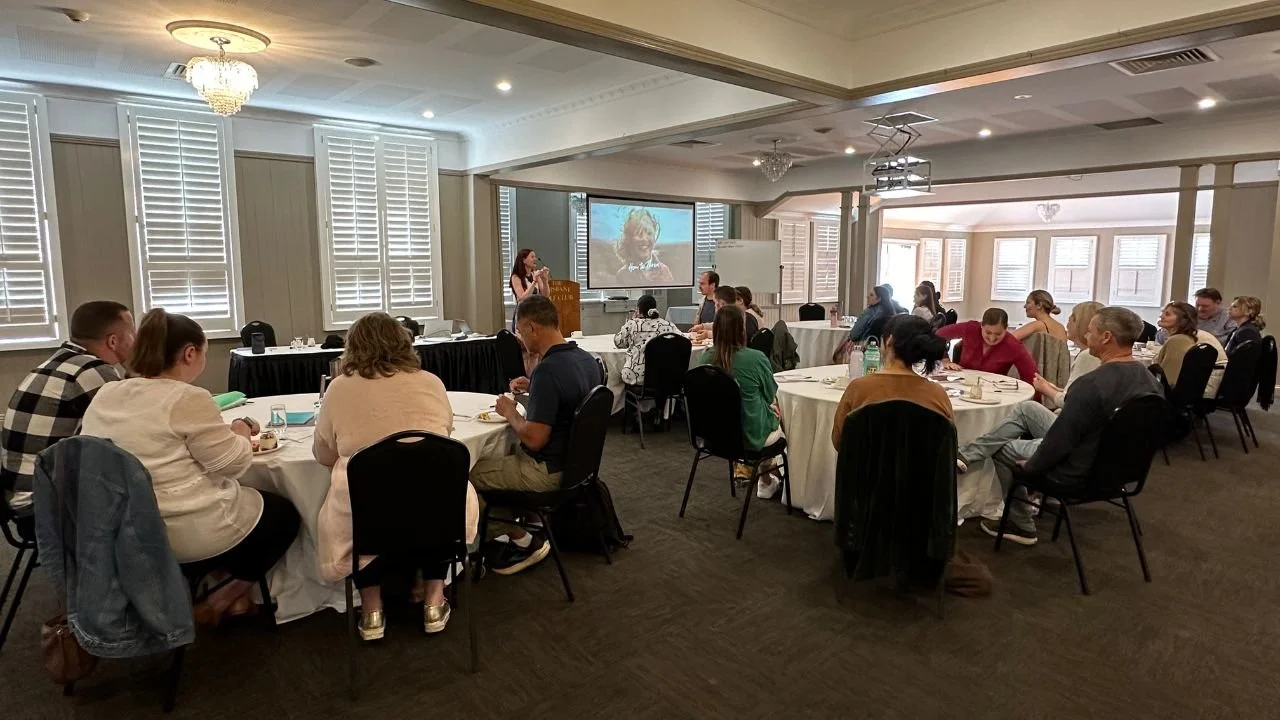
"Thrive Ability has helped RFQ invest meaningfully in the wellbeing of our workforce. By equipping our staff with practical tools and a shared framework, they have contributed to a healthier, more supportive culture and strengthened the foundations of the recovery-focused services we provide."
Alex Couley, CEO, Richmond Fellowship QLD
Award winning wellbeing programs